


Crinkle Cut French Fries - 16oz
Cascadian Farm
$5.69
(No reviews yet)

Write a Review
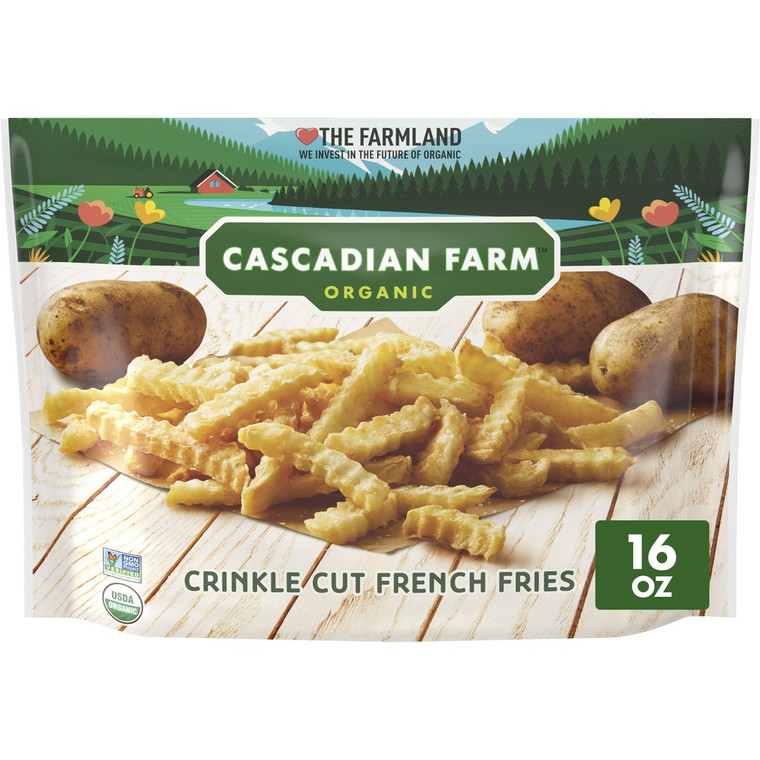
Cascadian Farm
Crinkle Cut French Fries - 16oz
Most frozen fries in the grocery freezer aisle hide a longer ingredient list than you'd expect — added dextrose for browning, sodium for preservation, modified starches for texture. Cascadian Farm's Crinkle Cut Fries contain exactly two ingredients: organic potatoes and organic canola oil. That's it. Zero sodium added, zero fillers, zero preservatives — just certified organic potatoes cut into classic crinkle ridges and finished with a light coat of organic oil. Cascadian Farm has been a pioneering force in organic agriculture since 1972, supporting farmers committed to regenerative land practices long before it was mainstream.
- Classic freezer-aisle workhorse, elevated: Bake at 450°F for 16–19 minutes for a crisp, crowd-pleasing side — or serve alongside burgers, grain bowls, or sandwiches any night of the week.
- Only two certified organic ingredients: Organic potatoes and organic canola oil — no added sodium, no dextrose, no modified starches, and no preservatives found in most conventional frozen fry brands.
- Fits a wide range of diets: USDA Certified Organic, gluten-free, and vegan — a genuinely clean freezer staple the whole household can share.
When you flip over a bag of conventional frozen french fries, you'll often find a list that includes dextrose (for caramel browning), disodium dihydrogen pyrophosphate (to prevent graying), added sodium, and modified food starch. Cascadian Farm Crinkle Cut French Fries carry two ingredients: organic potatoes and organic canola oil. That transparency is the point — and it's backed by USDA Certified Organic status, meaning no synthetic pesticides, no synthetic fertilizers, and no GMOs in the growing of those potatoes.
The crinkle cut isn't just classic nostalgia — the ridged surface holds more of that light organic canola oil coating, which helps the exterior crisp in a hot oven without anything artificial doing the work. Each 16 oz bag of these organic frozen french fries contains approximately 5 servings (about 21 fries per serving at 85g). Per serving: 80 calories, 3g total fat (0g saturated, 0g trans), 15mg sodium, 13g total carbohydrate, 0g fiber, 0g sugar, and 1g protein. No cholesterol.
Most conventional frozen fry brands add sodium (often 200–350mg per serving), dextrose as a browning accelerant, and preservatives like sodium acid pyrophosphate to maintain color. These clean-ingredient fries have none of that — the 15mg of sodium present is naturally occurring in the potato itself, not added during processing. Because the ingredient list is purely potato and oil with no grains, legumes, or dairy, these fries are also a fit for paleo eating patterns, though their carbohydrate content (13g per serving) makes them a poor match for strict ketogenic or carnivore diets.
To cook: arrange frozen fries in a single layer on an ungreased baking sheet. Bake at 450°F for 16–19 minutes until lightly golden. For best crisping results, avoid overcrowding the pan — airflow around each fry makes the difference between crisp and steamed. Remove promptly and serve immediately. Store in your freezer and keep the bag sealed between uses — there are no preservatives here, so once thawed, fries should be cooked rather than refrozen.
USDA Certified Organic. Gluten-free. Vegan. Keep frozen.
Ingredients: Organic Potatoes, Organic Canola Oil.
Common Questions
How do these fries compare to conventional frozen french fries on sodium and additives?
Most conventional frozen french fry brands contain 200–350mg of sodium per serving added during processing, plus dextrose (a sugar added to accelerate browning), sodium acid pyrophosphate (to prevent graying), and sometimes modified food starch for texture. Cascadian Farm Crinkle Cut Fries contain only organic potatoes and organic canola oil. The 15mg of sodium per serving is naturally occurring in the potato — nothing is added. If you're managing sodium intake or trying to avoid food additives, the ingredient list here is about as short as it gets for a packaged frozen product.
What does USDA Certified Organic actually mean for frozen potatoes?
USDA Certified Organic certification requires that the potatoes were grown without synthetic pesticides, synthetic fertilizers, sewage sludge, or ionizing radiation, and that no genetically modified organisms were used. Organic certification also prohibits certain post-harvest treatments common in conventional potato farming. The certification is audited by a USDA-accredited third-party certifier — it's not a self-declaration by the brand. For potatoes specifically, organic certification matters because conventionally grown potatoes are among the crops with higher pesticide residue rates tracked by the USDA's Pesticide Data Program.
Are these fries suitable for gluten-free, vegan, or dairy-free diets?
Yes to all three. The ingredient list — organic potatoes and organic canola oil — contains no gluten-containing grains, no animal products, and no dairy. The product is labeled gluten-free and vegan. For those with celiac disease or serious gluten sensitivity, it's always worth confirming facility cross-contact practices directly with the manufacturer, as labeling standards for 'gluten-free' require less than 20 parts per million of gluten but do not always address shared equipment.
What's the best way to get these fries crispy in a home oven?
The two biggest factors are temperature and spacing. Bake at 450°F — not lower — and arrange the fries in a strict single layer with space between each fry so hot air can circulate on all sides. Overcrowding creates steam, which softens rather than crisps. An ungreased sheet pan works well; a dark or heavy-gauge pan conducts heat more evenly than a thin one. Bake for 16–19 minutes and pull them the moment they're lightly golden — residual heat will continue cooking them for 1–2 minutes after you remove them from the oven. No oil needed; the organic canola oil coating applied at the factory is sufficient.
What makes Cascadian Farm's commitment to organic farming different from other organic brands?
Cascadian Farm has been certified organic since 1972 — predating the USDA's national organic program, which wasn't established until 1990. The brand positions itself explicitly as a supporter of regenerative agriculture, working with farmers on practices that aim to rebuild soil health and ecosystem function beyond the minimum required for organic certification. Regenerative practices can include cover cropping, reduced tillage, and managed composting — approaches that restore soil carbon rather than simply avoiding synthetic inputs. The brand's longevity in the organic space means it has operated under organic principles through multiple agricultural and regulatory eras.
How many servings are in a 16 oz bag, and what does a single serving look like?
Each 16 oz bag contains approximately 5 servings. One serving is 85g, which works out to roughly 21 individual crinkle-cut fries. At that serving size: 80 calories, 3g total fat, 13g carbohydrate, 0g sugar, 15mg sodium, and 1g protein. For context, 21 fries is a reasonable side-dish portion alongside a sandwich or burger; if fries are the main event for a hungry appetite, plan on 1.5–2 servings per person.
Does Cascadian Farm use canola oil, and is that a concern?
Yes — the only fat in these fries is organic canola oil. Organic canola oil means the canola was grown without synthetic pesticides and without genetic modification (conventional canola is predominantly GMO in North America, so organic certification is a meaningful distinction here). Canola oil has a relatively neutral flavor profile and a high smoke point (~400°F), which makes it a functional choice for oven-baked fries at 450°F. It contains approximately 63% monounsaturated fat and 9% omega-3 alpha-linolenic acid by composition. For those avoiding seed oils entirely (strict paleo or carnivore diets), these fries would not fit that framework.
The crinkle cut isn't just classic nostalgia — the ridged surface holds more of that light organic canola oil coating, which helps the exterior crisp in a hot oven without anything artificial doing the work. Each 16 oz bag of these organic frozen french fries contains approximately 5 servings (about 21 fries per serving at 85g). Per serving: 80 calories, 3g total fat (0g saturated, 0g trans), 15mg sodium, 13g total carbohydrate, 0g fiber, 0g sugar, and 1g protein. No cholesterol.
Most conventional frozen fry brands add sodium (often 200–350mg per serving), dextrose as a browning accelerant, and preservatives like sodium acid pyrophosphate to maintain color. These clean-ingredient fries have none of that — the 15mg of sodium present is naturally occurring in the potato itself, not added during processing. Because the ingredient list is purely potato and oil with no grains, legumes, or dairy, these fries are also a fit for paleo eating patterns, though their carbohydrate content (13g per serving) makes them a poor match for strict ketogenic or carnivore diets.
To cook: arrange frozen fries in a single layer on an ungreased baking sheet. Bake at 450°F for 16–19 minutes until lightly golden. For best crisping results, avoid overcrowding the pan — airflow around each fry makes the difference between crisp and steamed. Remove promptly and serve immediately. Store in your freezer and keep the bag sealed between uses — there are no preservatives here, so once thawed, fries should be cooked rather than refrozen.
USDA Certified Organic. Gluten-free. Vegan. Keep frozen.
Ingredients: Organic Potatoes, Organic Canola Oil.
Common Questions
How do these fries compare to conventional frozen french fries on sodium and additives?
Most conventional frozen french fry brands contain 200–350mg of sodium per serving added during processing, plus dextrose (a sugar added to accelerate browning), sodium acid pyrophosphate (to prevent graying), and sometimes modified food starch for texture. Cascadian Farm Crinkle Cut Fries contain only organic potatoes and organic canola oil. The 15mg of sodium per serving is naturally occurring in the potato — nothing is added. If you're managing sodium intake or trying to avoid food additives, the ingredient list here is about as short as it gets for a packaged frozen product.
What does USDA Certified Organic actually mean for frozen potatoes?
USDA Certified Organic certification requires that the potatoes were grown without synthetic pesticides, synthetic fertilizers, sewage sludge, or ionizing radiation, and that no genetically modified organisms were used. Organic certification also prohibits certain post-harvest treatments common in conventional potato farming. The certification is audited by a USDA-accredited third-party certifier — it's not a self-declaration by the brand. For potatoes specifically, organic certification matters because conventionally grown potatoes are among the crops with higher pesticide residue rates tracked by the USDA's Pesticide Data Program.
Are these fries suitable for gluten-free, vegan, or dairy-free diets?
Yes to all three. The ingredient list — organic potatoes and organic canola oil — contains no gluten-containing grains, no animal products, and no dairy. The product is labeled gluten-free and vegan. For those with celiac disease or serious gluten sensitivity, it's always worth confirming facility cross-contact practices directly with the manufacturer, as labeling standards for 'gluten-free' require less than 20 parts per million of gluten but do not always address shared equipment.
What's the best way to get these fries crispy in a home oven?
The two biggest factors are temperature and spacing. Bake at 450°F — not lower — and arrange the fries in a strict single layer with space between each fry so hot air can circulate on all sides. Overcrowding creates steam, which softens rather than crisps. An ungreased sheet pan works well; a dark or heavy-gauge pan conducts heat more evenly than a thin one. Bake for 16–19 minutes and pull them the moment they're lightly golden — residual heat will continue cooking them for 1–2 minutes after you remove them from the oven. No oil needed; the organic canola oil coating applied at the factory is sufficient.
What makes Cascadian Farm's commitment to organic farming different from other organic brands?
Cascadian Farm has been certified organic since 1972 — predating the USDA's national organic program, which wasn't established until 1990. The brand positions itself explicitly as a supporter of regenerative agriculture, working with farmers on practices that aim to rebuild soil health and ecosystem function beyond the minimum required for organic certification. Regenerative practices can include cover cropping, reduced tillage, and managed composting — approaches that restore soil carbon rather than simply avoiding synthetic inputs. The brand's longevity in the organic space means it has operated under organic principles through multiple agricultural and regulatory eras.
How many servings are in a 16 oz bag, and what does a single serving look like?
Each 16 oz bag contains approximately 5 servings. One serving is 85g, which works out to roughly 21 individual crinkle-cut fries. At that serving size: 80 calories, 3g total fat, 13g carbohydrate, 0g sugar, 15mg sodium, and 1g protein. For context, 21 fries is a reasonable side-dish portion alongside a sandwich or burger; if fries are the main event for a hungry appetite, plan on 1.5–2 servings per person.
Does Cascadian Farm use canola oil, and is that a concern?
Yes — the only fat in these fries is organic canola oil. Organic canola oil means the canola was grown without synthetic pesticides and without genetic modification (conventional canola is predominantly GMO in North America, so organic certification is a meaningful distinction here). Canola oil has a relatively neutral flavor profile and a high smoke point (~400°F), which makes it a functional choice for oven-baked fries at 450°F. It contains approximately 63% monounsaturated fat and 9% omega-3 alpha-linolenic acid by composition. For those avoiding seed oils entirely (strict paleo or carnivore diets), these fries would not fit that framework.
- __Storage_Location:
- Frozen
- __Volume:
- 400
- __Owner:
- TCFarm
- __badge:
- Organic