


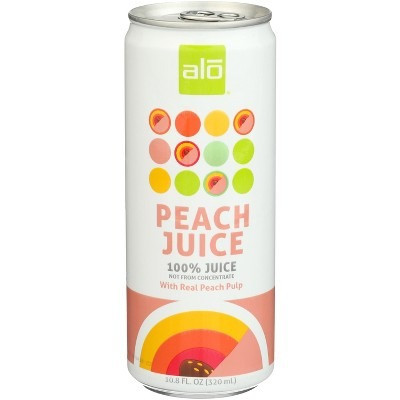
Peach Aloe Vera Juice - 10.8 fl oz
AloBelow are the available bulk discount rates for each individual item when you purchase a certain amount
- Buy 2 - 5 and get 5% off
- Buy 6 - 11 and get 10% off
- Buy 12 or above and get 20% off
Write a Review
Alo
Peach Aloe Vera Juice - 10.8 fl oz
Alo Drink's Peach Juice with Pulp delivers real peach juice and peach pulp in every bottle — not a reconstituted concentrate dressed up with fruit flavor. The pulp isn't filtered out; it stays in, the way a freshly pressed peach would taste.
- Real peach pulp included: Each 10.8 fl oz bottle contains both peach juice and suspended peach pulp, giving it the texture and character of actual fruit rather than a clarified juice drink.
- Minimally processed format: The ingredient deck is anchored by Peach Juice and Peach Pulp — not juice cocktail blends, artificial flavors, or color additives.
- Versatile sip or mixer: Enjoy chilled on its own, blend into smoothies, or use as a base for sparkling mocktails and fruit punches where real fruit character matters.
Alo Drink's Peach Juice with Pulp is built around two things: peach juice and peach pulp. That's the heart of the formulation — not flavoring agents, not juice cocktail filler.
Each single-serve 10.8 fl oz bottle is sized for one sitting. The pulp is left in rather than filtered out, giving the drink a body and mouthfeel that clarified juice drinks lack. The peach character comes from the fruit itself, not from added flavor compounds.
Serve chilled straight from the bottle, pour over ice, blend into a smoothie base, or use as a mixer in sparkling drinks and mocktails. The natural pulp may settle — a gentle shake before opening is all it takes.
Suitable for those avoiding artificial flavors and colors. Store in a cool, dry place; refrigerate after opening and consume promptly.
INGREDIENTS: Peach Juice, Peach Pulp
Common Questions
How does peach juice with pulp differ nutritionally from clarified or filtered peach juice?
Leaving the pulp in retains fiber, pectin, and polyphenols that are largely removed during clarification. Peach pulp contains chlorogenic acid and catechins, antioxidant compounds concentrated in the flesh and skin of the fruit. Clarified juices strip out the insoluble fiber along with some of these bound phytonutrients during the filtration process. The fiber in pulp-inclusive juice also slows glucose absorption compared to clear juice, producing a more gradual blood sugar response. For reference, whole peaches contain roughly 1.5 grams of fiber per 100 grams, and pulp-forward juices retain a meaningful fraction of that versus zero in filtered formats.
Does the natural pulp in this juice affect how it behaves in smoothies or blended drinks?
Yes, and generally in a useful way. Peach pulp adds natural body and viscosity, which means it integrates well with other smoothie ingredients without thinning the final texture the way clarified juice can. Because the pulp contains pectin, a naturally occurring gelling fiber, it helps bind and emulsify blended mixtures. When using it as a smoothie base, you can reduce or eliminate added thickeners like banana or yogurt if you want a lighter result. The one practical note is that pulp settles on standing, so shaking before measuring ensures a consistent ratio of juice to solids in whatever you're making.
What sugars are present in peach juice, and how does that affect suitability for low-sugar diets?
Peaches are naturally high in fructose and glucose, with a whole peach delivering roughly 13 grams of total sugar per 100 grams of fruit. A 10.8 fl oz serving of peach juice at similar concentration would carry a substantial natural sugar load, likely in the range of 25 to 35 grams depending on dilution and any added cane sugar in the formulation. This makes it a poor fit for strict ketogenic or very low-carb diets, which typically cap carbohydrates at 20 to 50 grams per day total. For paleo diets, fruit juice is debated — whole fruit is generally preferred over juice because the fiber matrix is more intact, though pulp-containing juice is closer to whole fruit than clarified versions. People managing blood sugar should verify the full nutrition panel before consuming.
How can I use this peach juice as a substitute for other liquids in cooking or baking?
Peach juice substitutes well for apple juice or white grape juice in a 1:1 ratio in marinades, glazes, salad dressings, and poaching liquids. In baking, it works as a liquid replacement in muffins, quick breads, and cake batters — substitute it 1:1 for water or milk with the understanding that it adds sweetness, so you may want to reduce added sugar by 10 to 15 percent. For savory applications, it pairs particularly well with pork and poultry: a peach juice glaze for pork tenderloin or chicken thighs reduces well on heat because of its natural sugar content, caramelizing at around 320°F. The pulp can slightly affect the texture of reduced sauces, giving them a slightly thicker, more rustic consistency compared to using clarified juice.
How do I verify what's actually in this product beyond peach juice and pulp?
The most reliable method is reading the physical label on the bottle, specifically the ingredient list and nutrition facts panel, both of which are legally required to be complete and accurate under FDA 21 CFR Part 101. Common additions in commercially produced peach juices include cane sugar or high-fructose corn syrup for sweetness, citric acid for preservation and tartness, and ascorbic acid (vitamin C) as an antioxidant stabilizer — all of which must appear on the label if present. If you have dietary restrictions around added sugars, sulfites, or artificial preservatives, look for those specifically rather than relying on front-of-pack claims. The brand's own website or a call to their consumer line can also confirm current formulation, as ingredients can change between production runs.
What is the shelf life of this juice and does the pulp affect how quickly it spoils after opening?
Unopened, shelf-stable juice products are typically pasteurized and can last 12 to 18 months from the production date when stored in a cool, dry location away from direct light. Once opened, the higher surface area introduced by pulp does slightly accelerate oxidation compared to clarified juice, so refrigerating promptly and consuming within 2 to 3 days of opening is the practical guideline. Pectin in the pulp can also begin to degrade with prolonged exposure to heat and air, altering the texture. The best-by date on the bottle reflects unopened shelf life under proper storage conditions and should not be used to estimate post-opening longevity.
Is this juice suitable for children, and are there any considerations for serving it to young kids?
Peach juice without artificial additives is generally considered appropriate for children over 12 months of age, which aligns with American Academy of Pediatrics guidance that recommends avoiding juice entirely for infants under 1 year. For children ages 1 to 3, the AAP recommends limiting 100% fruit juice to 4 fluid ounces per day due to sugar content and the risk of displacing more nutrient-dense foods. A full 10.8 fl oz bottle is roughly 2.7 times the recommended daily maximum for toddlers, so portion control matters. The pulp content is not a choking concern in juice form, but parents should confirm the ingredient list for any added sugars or preservatives if sensitivities are a concern.
- __Owner:
- TCFarm
- __Storage_Location:
- Dry
- __Volume:
- 500
- __badge:
- for delivery by 10/21