


Sale
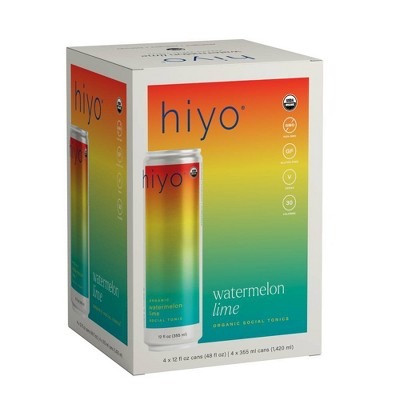
Watermelon Lime Social Tonic 4ct - 48 fl oz
Hiyo
$12.99
$11.29
Below are the available bulk discount rates for each individual item when you purchase a certain amount
- Buy 2 - 5 and get 10% off
- Buy 6 or above and get 20% off
(No reviews yet)

Write a Review
Hiyo
Watermelon Lime Social Tonic 4ct - 48 fl oz
Hiyo Social Tonic is built for the moments when you want to be present — not buzzed. The Watermelon Lime formula layers certified organic adaptogens and nootropics — KSM-66 ashwagandha, lion's mane mushroom, passionflower, and L-theanine from non-caffeinated green tea — into a lightly sparkling, fruit-forward base sweetened with organic erythritol and a touch of organic cane sugar. This is the shelf-stable, feel-good alternative to alcohol that actually does something.
- When to reach for it: summer cookouts, post-work wind-downs, dry months, or any social moment where you want a crafted drink in hand without the next-day regret
- What sets it apart: KSM-66 is the most clinically studied ashwagandha extract on the market; paired with lion's mane and L-theanine, the stack targets calm focus — not a sugar spike
- Who it's for: sober-curious, alcohol-free, and mindful drinkers; compatible with vegan, gluten-free, and low-sugar lifestyles
Hiyo's Watermelon Lime Social Tonic is the functional non-alcoholic drink designed to replace the ritual of alcohol — not just the beverage. Each 12 fl oz can delivers a sparkling, watermelon-forward sip with a bright lime finish, sweetened with organic erythritol and a measured amount of organic cane sugar, and fortified with a full adaptogen-nootropic stack sourced entirely from certified organic ingredients.
The functional stack is the real story here. KSM-66 ashwagandha extract — the root-only, full-spectrum extract with the most peer-reviewed clinical studies of any ashwagandha preparation — anchors the formula. It's joined by organic lion's mane mushroom extract, long studied for cognitive support; organic passionflower extract, traditionally used for calm; organic lemon balm extract, another well-documented relaxation herb; and L-theanine from organic, non-caffeinated green tea extract. Organic ginger extract and organic lime juice concentrate round out the botanical profile. Every ingredient is certified organic — not a single synthetic additive or artificial color in the can.
The color comes from organic fruit and vegetable juice. The carbonation is filtered water with organic gum acacia for mouthfeel. This is a complete, thoughtfully engineered formula — not a flavored sparkling water with a wellness claim bolted on.
Serve ice-cold on its own, over a glass of ice with fresh mint, or as a base for a zero-proof cocktail. The watermelon-lime profile works especially well with fresh herbs and a salted rim.
Certified Organic. Vegan. Suitable for gluten-free, dairy-free, and alcohol-free lifestyles. Store at room temperature; refrigerate after opening.
Ingredients: Carbonated Filtered Water, Organic Flavors, Organic Erythritol, Organic Watermelon Juice Concentrate, Organic Cane Sugar, Organic Gum Acacia, Organic Lemon Balm Extract, Organic Fruit And Vegetable Juice (Color), Organic Ksm-66 Ashwagandha Extract, Organic Passion Flower Extract, Organic Green Tea Extract* (L-Theanine), Citric Acid, Organic Ginger Extract, Organic Lime Juice Concentrate, Organic Lion's Mane Mushroom Extract. *Non-Caffeinated.
Common Questions
What exactly is KSM-66 ashwagandha and how is it different from standard ashwagandha extracts?
KSM-66 is a patented, root-only, full-spectrum ashwagandha extract produced by Ixoreal Biomed using a proprietary extraction process that preserves the natural ratio of withanolides, withanosides, and other constituents found in the whole root. It holds the distinction of being the most clinically studied ashwagandha extract available, with over 24 published human clinical trials covering outcomes including cortisol reduction, stress and anxiety scores, thyroid function, and athletic endurance. Most generic ashwagandha powders or extracts use a mix of root and leaf material, which can introduce withanolide profiles that differ from the traditional Ayurvedic use of the root alone. A 2012 randomized, double-blind trial published in the Indian Journal of Psychological Medicine found that 300 mg of KSM-66 twice daily significantly reduced scores on the Perceived Stress Scale and lowered serum cortisol levels compared to placebo. The certification of this specific extract as organic is relatively uncommon and adds a meaningful sourcing constraint on top of the clinical pedigree.
Does this drink contain caffeine, and how does the L-theanine from green tea work without it?
The green tea extract used in this formula is explicitly labeled non-caffeinated, meaning it has been processed to isolate L-theanine while removing the caffeine naturally present in green tea leaves. L-theanine is a non-protein amino acid that crosses the blood-brain barrier and promotes alpha brainwave activity, the same relaxed-but-alert state associated with meditation. Research published in Biological Psychology (2007) found that 50 mg of L-theanine produced a statistically significant increase in alpha wave power in healthy adults within 45 minutes of ingestion. Because there is no caffeine counteracting that calming mechanism here, the effect leans toward relaxation rather than the focus-amplifying combination common in nootropic stacks paired with caffeine. This makes the formula more appropriate for evening social settings or wind-down moments where stimulation would be counterproductive.
How does lion's mane mushroom support cognitive function and what does the research actually show?
Lion's mane (Hericium erinaceus) contains two families of compounds unique to the mushroom — hericenones (found in the fruiting body) and erinacines (found in the mycelium) — that have been shown in preclinical studies to stimulate the synthesis of Nerve Growth Factor (NGF), a protein essential for the growth, maintenance, and survival of neurons. A double-blind, placebo-controlled human trial published in Phytotherapy Research (2009) found that adults aged 50-80 who took 250 mg of lion's mane powder three times daily for 16 weeks scored significantly higher on the Hasegawa Dementia Scale than the placebo group, with scores declining again after the supplementation period ended. It is worth noting that most human trials have used relatively high doses compared to what a single functional beverage serving can realistically deliver, so the degree of effect from the amount in this can specifically is not independently documented. The inclusion is meaningful as part of a multi-compound adaptogen-nootropic stack rather than a standalone therapeutic dose.
What is erythritol and is it safe, given recent news about cardiovascular concerns?
Erythritol is a sugar alcohol that occurs naturally in small amounts in fruits and fermented foods, and is commercially produced by fermenting glucose with yeast. It provides roughly 0.24 calories per gram versus 4 calories per gram for sucrose, does not raise blood glucose or insulin, and is generally recognized as safe by the FDA. In 2023, a study published in Nature Medicine reported an association between high circulating blood erythritol levels and increased risk of major cardiovascular events, which generated significant media coverage. However, several nutrition researchers noted that the study measured endogenous erythritol produced by the body's own metabolic pathways rather than exogenous erythritol consumed in food, and that correlation in an observational study does not establish causation, especially when the high-erythritol group already had elevated cardiovascular risk factors. The organic erythritol in this formula is paired with a small amount of organic cane sugar, suggesting the erythritol quantity per can is moderate rather than the very high doses used in some heavily sweetened products.
How does passionflower extract contribute to the formula and what does the science say about its calming effect?
Passionflower (Passiflora incarnata) has been studied primarily for its anxiolytic properties, with the proposed mechanism involving flavonoid compounds — particularly chrysin and orientin — that may interact with GABA-A receptors in the central nervous system, the same receptor class targeted by benzodiazepine medications, though with far less potency. A randomized controlled trial published in Phytotherapy Research (2001) compared passionflower extract to oxazepam (a benzodiazepam) for generalized anxiety disorder and found comparable anxiety reduction scores over four weeks, with passionflower producing less job-related impairment. Traditional herbal medicine systems in Europe and the Americas have used passionflower for insomnia and nervous tension for centuries, giving it a long empirical track record alongside the emerging clinical data. In combination with lemon balm, L-theanine, and ashwagandha in this formula, passionflower functions as one layer of a multi-mechanism relaxation stack rather than a single-compound approach.
What does the Certified Organic designation actually mean for every ingredient in this can?
USDA Certified Organic requires that all agricultural ingredients be grown without synthetic pesticides, synthetic fertilizers, sewage sludge, genetic engineering, or ionizing radiation, and that processing aids meet a separate approved-materials standard. For a product to display the USDA Organic seal, at least 95% of its ingredients (excluding water and salt) must be certified organic, with the remaining 5% limited to a national approved list. In this formula, every named functional ingredient — the ashwagandha, lion's mane, passionflower, lemon balm, green tea, ginger, watermelon juice, lime juice, erythritol, cane sugar, gum acacia, and flavors — is explicitly labeled organic, placing this well above the 95% threshold. The organic certification for extracts like KSM-66 ashwagandha is particularly notable because it applies to the entire supply chain from the farm where the root is grown through the extraction and concentration process. Third-party certification bodies such as Oregon Tilth, CCOF, or Quality Assurance International audit these claims annually, and their certificates are public records that brands can provide on request.
How does lemon balm extract function differently from the other calming botanicals in this drink?
Lemon balm (Melissa officinalis) operates through a distinct mechanism from passionflower and L-theanine: its primary active compounds, including rosmarinic acid and several flavonoids, have been shown to inhibit GABA transaminase, the enzyme that breaks down GABA in the brain, effectively increasing available GABA without directly binding to the receptor itself. A double-blind, placebo-controlled crossover study published in Psychosomatic Medicine (2004) found that a standardized lemon balm extract at doses of 300 mg and 600 mg reduced stress-induced mood disturbance and improved calmness ratings in healthy volunteers, with the 600 mg dose also improving memory accuracy. Lemon balm has also demonstrated mild antiviral properties against herpes simplex in topical studies, though that is not relevant to its function in a beverage context. The botanical has a centuries-long history of use in European herbal medicine for nervous complaints and sleep support, giving it one of the deeper evidence bases among the herbs in this formula. When combined with the GABA receptor modulation from passionflower and the alpha-wave promotion from L-theanine, the multi-pathway approach to supporting relaxation is more pharmacologically layered than any single ingredient could provide.
The functional stack is the real story here. KSM-66 ashwagandha extract — the root-only, full-spectrum extract with the most peer-reviewed clinical studies of any ashwagandha preparation — anchors the formula. It's joined by organic lion's mane mushroom extract, long studied for cognitive support; organic passionflower extract, traditionally used for calm; organic lemon balm extract, another well-documented relaxation herb; and L-theanine from organic, non-caffeinated green tea extract. Organic ginger extract and organic lime juice concentrate round out the botanical profile. Every ingredient is certified organic — not a single synthetic additive or artificial color in the can.
The color comes from organic fruit and vegetable juice. The carbonation is filtered water with organic gum acacia for mouthfeel. This is a complete, thoughtfully engineered formula — not a flavored sparkling water with a wellness claim bolted on.
Serve ice-cold on its own, over a glass of ice with fresh mint, or as a base for a zero-proof cocktail. The watermelon-lime profile works especially well with fresh herbs and a salted rim.
Certified Organic. Vegan. Suitable for gluten-free, dairy-free, and alcohol-free lifestyles. Store at room temperature; refrigerate after opening.
Ingredients: Carbonated Filtered Water, Organic Flavors, Organic Erythritol, Organic Watermelon Juice Concentrate, Organic Cane Sugar, Organic Gum Acacia, Organic Lemon Balm Extract, Organic Fruit And Vegetable Juice (Color), Organic Ksm-66 Ashwagandha Extract, Organic Passion Flower Extract, Organic Green Tea Extract* (L-Theanine), Citric Acid, Organic Ginger Extract, Organic Lime Juice Concentrate, Organic Lion's Mane Mushroom Extract. *Non-Caffeinated.
Common Questions
What exactly is KSM-66 ashwagandha and how is it different from standard ashwagandha extracts?
KSM-66 is a patented, root-only, full-spectrum ashwagandha extract produced by Ixoreal Biomed using a proprietary extraction process that preserves the natural ratio of withanolides, withanosides, and other constituents found in the whole root. It holds the distinction of being the most clinically studied ashwagandha extract available, with over 24 published human clinical trials covering outcomes including cortisol reduction, stress and anxiety scores, thyroid function, and athletic endurance. Most generic ashwagandha powders or extracts use a mix of root and leaf material, which can introduce withanolide profiles that differ from the traditional Ayurvedic use of the root alone. A 2012 randomized, double-blind trial published in the Indian Journal of Psychological Medicine found that 300 mg of KSM-66 twice daily significantly reduced scores on the Perceived Stress Scale and lowered serum cortisol levels compared to placebo. The certification of this specific extract as organic is relatively uncommon and adds a meaningful sourcing constraint on top of the clinical pedigree.
Does this drink contain caffeine, and how does the L-theanine from green tea work without it?
The green tea extract used in this formula is explicitly labeled non-caffeinated, meaning it has been processed to isolate L-theanine while removing the caffeine naturally present in green tea leaves. L-theanine is a non-protein amino acid that crosses the blood-brain barrier and promotes alpha brainwave activity, the same relaxed-but-alert state associated with meditation. Research published in Biological Psychology (2007) found that 50 mg of L-theanine produced a statistically significant increase in alpha wave power in healthy adults within 45 minutes of ingestion. Because there is no caffeine counteracting that calming mechanism here, the effect leans toward relaxation rather than the focus-amplifying combination common in nootropic stacks paired with caffeine. This makes the formula more appropriate for evening social settings or wind-down moments where stimulation would be counterproductive.
How does lion's mane mushroom support cognitive function and what does the research actually show?
Lion's mane (Hericium erinaceus) contains two families of compounds unique to the mushroom — hericenones (found in the fruiting body) and erinacines (found in the mycelium) — that have been shown in preclinical studies to stimulate the synthesis of Nerve Growth Factor (NGF), a protein essential for the growth, maintenance, and survival of neurons. A double-blind, placebo-controlled human trial published in Phytotherapy Research (2009) found that adults aged 50-80 who took 250 mg of lion's mane powder three times daily for 16 weeks scored significantly higher on the Hasegawa Dementia Scale than the placebo group, with scores declining again after the supplementation period ended. It is worth noting that most human trials have used relatively high doses compared to what a single functional beverage serving can realistically deliver, so the degree of effect from the amount in this can specifically is not independently documented. The inclusion is meaningful as part of a multi-compound adaptogen-nootropic stack rather than a standalone therapeutic dose.
What is erythritol and is it safe, given recent news about cardiovascular concerns?
Erythritol is a sugar alcohol that occurs naturally in small amounts in fruits and fermented foods, and is commercially produced by fermenting glucose with yeast. It provides roughly 0.24 calories per gram versus 4 calories per gram for sucrose, does not raise blood glucose or insulin, and is generally recognized as safe by the FDA. In 2023, a study published in Nature Medicine reported an association between high circulating blood erythritol levels and increased risk of major cardiovascular events, which generated significant media coverage. However, several nutrition researchers noted that the study measured endogenous erythritol produced by the body's own metabolic pathways rather than exogenous erythritol consumed in food, and that correlation in an observational study does not establish causation, especially when the high-erythritol group already had elevated cardiovascular risk factors. The organic erythritol in this formula is paired with a small amount of organic cane sugar, suggesting the erythritol quantity per can is moderate rather than the very high doses used in some heavily sweetened products.
How does passionflower extract contribute to the formula and what does the science say about its calming effect?
Passionflower (Passiflora incarnata) has been studied primarily for its anxiolytic properties, with the proposed mechanism involving flavonoid compounds — particularly chrysin and orientin — that may interact with GABA-A receptors in the central nervous system, the same receptor class targeted by benzodiazepine medications, though with far less potency. A randomized controlled trial published in Phytotherapy Research (2001) compared passionflower extract to oxazepam (a benzodiazepam) for generalized anxiety disorder and found comparable anxiety reduction scores over four weeks, with passionflower producing less job-related impairment. Traditional herbal medicine systems in Europe and the Americas have used passionflower for insomnia and nervous tension for centuries, giving it a long empirical track record alongside the emerging clinical data. In combination with lemon balm, L-theanine, and ashwagandha in this formula, passionflower functions as one layer of a multi-mechanism relaxation stack rather than a single-compound approach.
What does the Certified Organic designation actually mean for every ingredient in this can?
USDA Certified Organic requires that all agricultural ingredients be grown without synthetic pesticides, synthetic fertilizers, sewage sludge, genetic engineering, or ionizing radiation, and that processing aids meet a separate approved-materials standard. For a product to display the USDA Organic seal, at least 95% of its ingredients (excluding water and salt) must be certified organic, with the remaining 5% limited to a national approved list. In this formula, every named functional ingredient — the ashwagandha, lion's mane, passionflower, lemon balm, green tea, ginger, watermelon juice, lime juice, erythritol, cane sugar, gum acacia, and flavors — is explicitly labeled organic, placing this well above the 95% threshold. The organic certification for extracts like KSM-66 ashwagandha is particularly notable because it applies to the entire supply chain from the farm where the root is grown through the extraction and concentration process. Third-party certification bodies such as Oregon Tilth, CCOF, or Quality Assurance International audit these claims annually, and their certificates are public records that brands can provide on request.
How does lemon balm extract function differently from the other calming botanicals in this drink?
Lemon balm (Melissa officinalis) operates through a distinct mechanism from passionflower and L-theanine: its primary active compounds, including rosmarinic acid and several flavonoids, have been shown to inhibit GABA transaminase, the enzyme that breaks down GABA in the brain, effectively increasing available GABA without directly binding to the receptor itself. A double-blind, placebo-controlled crossover study published in Psychosomatic Medicine (2004) found that a standardized lemon balm extract at doses of 300 mg and 600 mg reduced stress-induced mood disturbance and improved calmness ratings in healthy volunteers, with the 600 mg dose also improving memory accuracy. Lemon balm has also demonstrated mild antiviral properties against herpes simplex in topical studies, though that is not relevant to its function in a beverage context. The botanical has a centuries-long history of use in European herbal medicine for nervous complaints and sleep support, giving it one of the deeper evidence bases among the herbs in this formula. When combined with the GABA receptor modulation from passionflower and the alpha-wave promotion from L-theanine, the multi-pathway approach to supporting relaxation is more pharmacologically layered than any single ingredient could provide.
- __Storage_Location:
- Dry
- __Volume:
- 400
- __Owner:
- TCFarm
- __badge:
- for delivery by 10/28